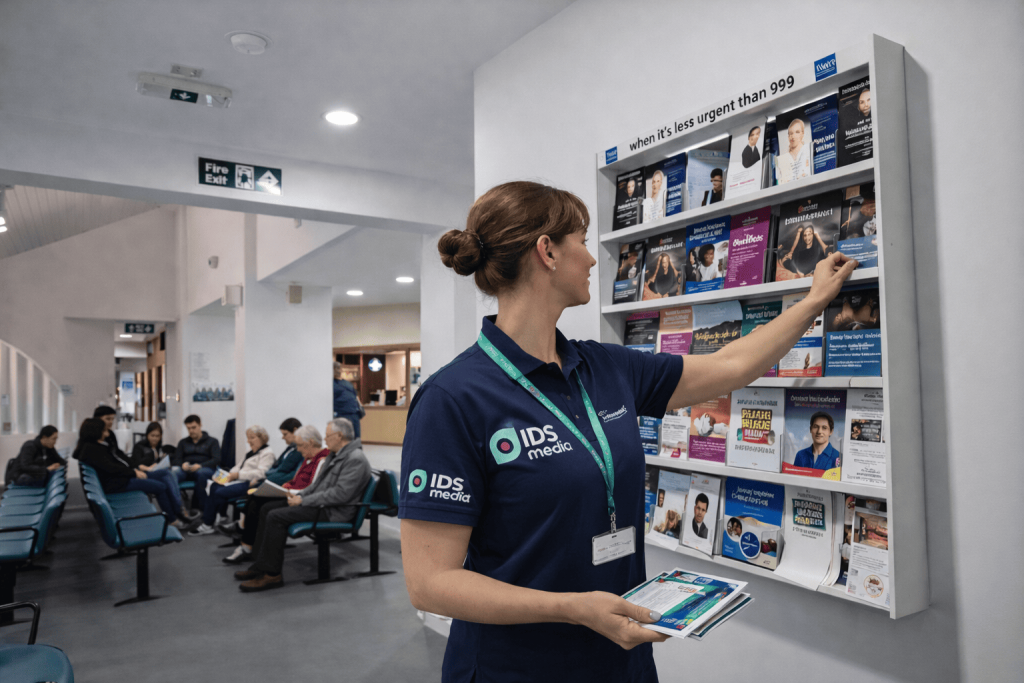

Six key takeaways for planning more effective healthcare campaigns
- Successful healthcare campaigns begin by understanding the patient journey, not by choosing where an advert should appear.
- Different healthcare environments support different objectives, from building awareness and educating patients to encouraging action when the time is right.
- Trust is built over time through consistent, relevant communication across multiple healthcare touchpoints, rather than a single campaign.
- Effective healthcare media planning matches the message to the patient’s mindset, ensuring information is delivered when it is most useful and meaningful.
- Every healthcare communication should make the next step clear, helping patients access trusted information, services or support with confidence.
- As healthcare continues to evolve, trusted healthcare environments remain one of the most effective places to educate, reassure and build lasting patient confidence.
How to choose the right healthcare environment for your campaign
Choosing the right healthcare environment for a campaign isn’t about selecting GP surgeries, hospitals or pharmacies. It’s about understanding where patients are in their healthcare journey and what they need at that moment.
That’s a distinction Dean Gahagan, Joint Managing Director at IDS Media, believes many organisations overlook.
“One of the first questions we’re often asked is, “Where should we run our campaign?” But that’s not really the right question,” he explains. “Our job is to understand the patient journey first. Once you know where someone is in that journey, you can identify the healthcare environment where your message will have the greatest impact.”
It’s an approach that has shaped IDS Media’s work with healthcare charities, NHS organisations and commercial healthcare brands for more than three decades.
Rather than treating every healthcare environment as another advertising opportunity, Dean sees each one as a different stage in the relationship between a patient and their health.
Start with the patient, not the placement
Many campaigns begin by thinking about where a message will appear.
Dean believes the better starting point is understanding where the patient is.
“For most people, that journey begins with a concern or symptom,” he says. “Their first conversation is usually with a GP, who may investigate further, provide reassurance or refer them to specialist care.
“For others, the next stage may involve hospital treatment, ongoing appointments or specialist clinics. Eventually, many patients reach the point where they collect medication from their local pharmacy and begin managing their condition as part of everyday life.”
Each stage presents a different opportunity to communicate.
Dean points to heart health as a good example.
A patient may first visit their GP with concerns about cholesterol before being referred to a cardiologist for further investigations. After diagnosis, they may collect medication from their local pharmacy every month.
Each interaction represents a different communication opportunity.
The message at the beginning of the journey may focus on recognising symptoms or encouraging conversations with a healthcare professional.
Later, it may shift towards treatment options, long-term condition management or supporting medication adherence.
The environment hasn’t changed by accident. It’s changed because the patient’s needs have changed.
Different environments serve different objectives
Understanding the patient journey also influences the role each healthcare environment plays within a campaign.
GP surgeries and hospitals are primarily educational environments.
Patients are often looking for answers, waiting for appointments or speaking to healthcare professionals. They’re naturally more receptive to information that helps them understand a condition, treatment or service.
Pharmacies are different.
Education still matters, but patients are also making purchasing decisions or collecting medication. That creates opportunities for more commercially focused messaging, provided it’s supported by appropriate information.
“If you’re promoting a multivitamin in a GP surgery or hospital, the message needs to explain why those nutrients matter and how they support someone’s health,” Dean explains. “Once that person reaches the pharmacy, it’s perfectly reasonable to combine that education with a commercial offer because they’re now in a position to act.”
Choosing the right healthcare environment isn’t therefore about deciding whether GP surgeries, hospitals or pharmacies are ‘better’.
Each plays a different role.
The objective is making sure the communication matches the patient’s mindset at that point in their journey.
Audience also matters.
When IDS Media worked with baby care brand Pampers, for example, the campaign focused on reaching expectant and new parents within antenatal and maternity environments, ensuring the message appeared in places where it would be most relevant.
“You’re reducing wasted communication,” Dean says. “There’s no point showing messages to people who are never going to need that product. It’s about making sure you’re reaching the right audience, in the right environment, at the right time.”
That principle applies across healthcare communication.
A vaccination campaign aimed at parents naturally fits within GP surgeries, where childhood immunisations are routinely delivered.
Specialist hospital departments may be more appropriate for condition-specific awareness campaigns, while pharmacy environments become increasingly valuable when supporting patients managing ongoing health conditions.
The environment should always reflect the objective.
And that objective should always begin with the patient.
Don’t jump straight to the sale
One of the biggest mistakes Dean sees is organisations focusing on the final outcome before they’ve earned the patient’s trust.
For many brands, the thinking is simple: if the product is sold in a pharmacy, that’s where the campaign should begin.
Dean disagrees.
“I think organisations sometimes jump the gun,” he says. “They go straight to the end of the patient journey because they want people to buy the product. I’d almost argue the opposite. You should be educating patients throughout that journey, so by the time they’re ready to make a decision, they already understand who you are and why your product has value.”
He uses pregnancy vitamins as a good example.
An expectant mother may first see information in her GP surgery while discussing her pregnancy. She may encounter the same brand again during antenatal appointments at hospital before eventually standing in front of a pharmacy shelf choosing between several similar products.
At that point, the purchasing decision has already begun.
“By the time someone reaches the pharmacy, they may have seen one brand several times throughout their journey,” Dean explains. “They’ve seen it around healthcare professionals, in trusted healthcare environments and alongside information that helped them understand why it matters. That creates confidence. When they’re standing in front of the shelf choosing between Product A and Product B, they’re naturally more inclined to choose the one they’ve already come to recognise.”
It’s a reminder that successful healthcare communication rarely relies on a single interaction.
Trust is built gradually through consistent, relevant touchpoints that reflect where someone is in their healthcare journey.
Why trust beats visibility
Dean believes another common misconception is that greater visibility automatically leads to better outcomes.
He points to something as ordinary as cough medicine.
One brand advertises on the back of buses, surrounded by traffic, exhaust fumes and the distractions of a busy high street.
Another appears inside GP surgeries and hospitals, where patients are already thinking about their health and surrounded by healthcare professionals.
The products may be similar.
The environments couldn’t be more different.
“Imagine you’re standing in a pharmacy trying to decide which cough medicine to buy,” says Dean. “One brand you’ve seen for a few seconds on the back of a bus. The other you’ve seen throughout GP surgeries and hospitals, surrounded by healthcare professionals and trusted information. Subconsciously, which one are you going to feel more confident choosing?”
For Dean, the answer has little to do with the advert itself.
It’s about the environment in which that advert has been experienced.
Trusted healthcare settings provide an implied endorsement that mass-media channels often can’t replicate. Patients aren’t simply remembering the brand. They’re remembering the context in which they encountered it.
That context influences confidence.
And confidence often influences behaviour.
Healthcare doesn’t follow the influencer rulebook
The same thinking explains why Dean believes healthcare marketing shouldn’t always follow trends from the wider advertising industry.
Influencer marketing has transformed many consumer sectors.
Healthcare is different.
“Influencers can be incredibly powerful for commercial brands,” Dean says. “People might buy a watch or a pair of trainers because someone they admire is wearing them. Healthcare doesn’t work like that.”
When people make decisions about their health, they’re usually looking for reassurance rather than aspiration.
They’re more likely to trust healthcare professionals, evidence and credible information than celebrity endorsement.
“My health isn’t the same as someone else’s,” Dean explains. “Even if a celebrity has experienced a particular condition, I’m still going to trust my GP or healthcare professional more because they’re the people helping me understand my own situation.”
That doesn’t mean healthcare communication has to be less engaging.
It means trust is earned differently.
Rather than borrowing credibility from celebrity culture, healthcare campaigns build confidence by appearing in environments where patients already expect reliable, evidence-based information.
For Dean, that’s what makes healthcare media planning different from almost every other marketing discipline.
Reach matters, but building trust before asking someone to act matters more.
Every touchpoint should lead somewhere
Choosing the right healthcare environment is only part of the challenge.
The next question is what patients should do once you’ve captured their attention.
Dean believes too many campaigns concentrate on getting people to notice a message without thinking about what happens next.
“The poster or digital screen is there to spark curiosity,” he explains. “Its job is to give people enough information to make them want to take the next step. That’s where leaflets, QR codes and other formats become really important because they help people continue that journey.”
For charities, that next step might be visiting a website, downloading a support guide or contacting a helpline.
For healthcare providers, it could be booking an appointment or finding a local service.
The important thing is that every format works together rather than in isolation.
“If someone reads your message but doesn’t know what to do next, you’ve lost them. Every campaign should make the next step clear and easy.”
This is where media planning becomes far more than deciding where an advert should appear.
It’s about understanding how different formats support different stages of the patient’s decision-making journey.
Turning national campaigns into local action
Dean believes one of the biggest opportunities in healthcare communication is making national campaigns feel personally relevant.
He points to IDS Media’s work with Boots Hearing Care as a good example. A national campaign can raise awareness of hearing care services, but for most people the real question is much simpler:
Where can I get help?
“People don’t necessarily want to feel like they’re dealing with a huge national organisation,” Dean says. “They want to know there’s somewhere local they can go and speak to someone.”
Rather than directing everyone to a generic national website, campaigns can guide people towards services that are relevant to their local community.
That’s where thoughtful media planning can make a significant difference.
A QR code, for example, can take someone directly to the most appropriate location, reducing unnecessary steps and making it easier for patients to take action while their interest is highest.
Dean particularly likes the Boots Hearing Care creative because it combines a warm, relatable message with a clear call to action.
The campaign encourages people to book a free hearing test by scanning a QR code, helping bridge the gap between awareness and action.
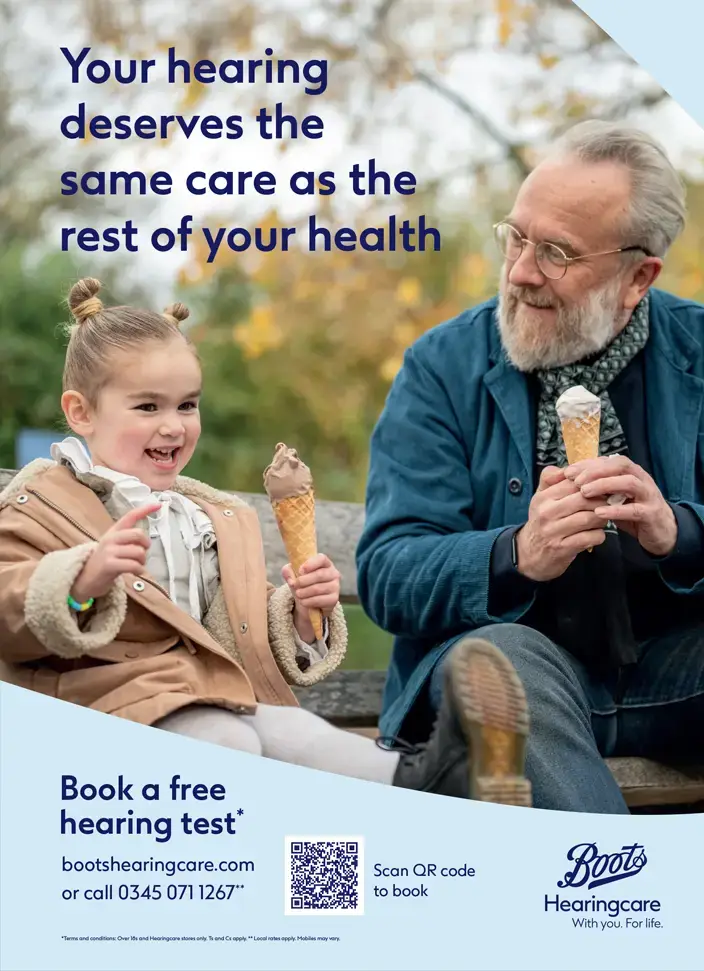
“It’s a really nice example because the creative understands its audience,” he says. “It’s talking to people in a way that feels personal, while giving them an easy next step.”
Rather than asking people to navigate a large organisation themselves, the communication removes friction and makes support feel closer and more accessible.
Relevance creates better outcomes
Successful healthcare campaigns aren’t always the biggest campaigns.
They’re often the most relevant.
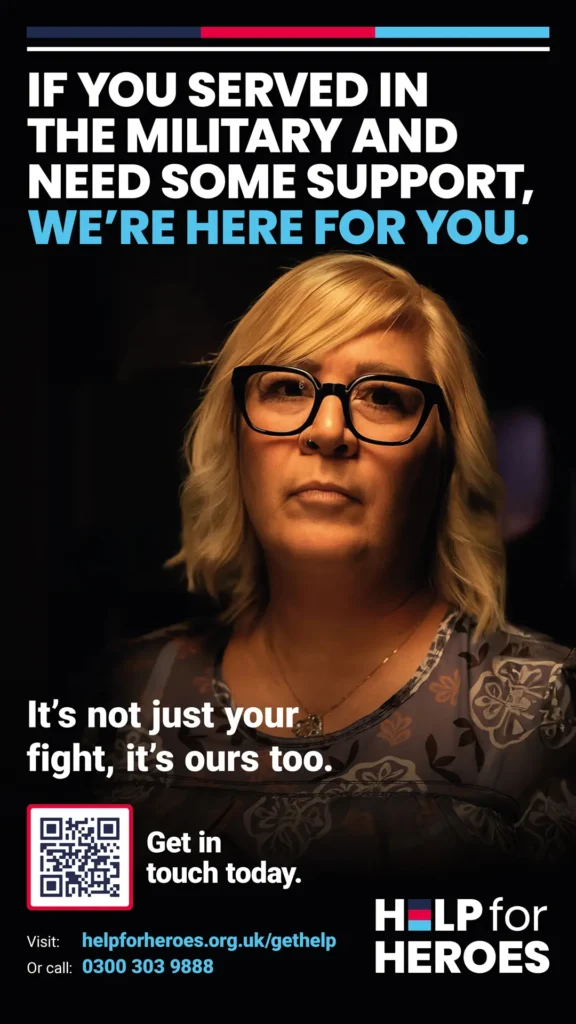
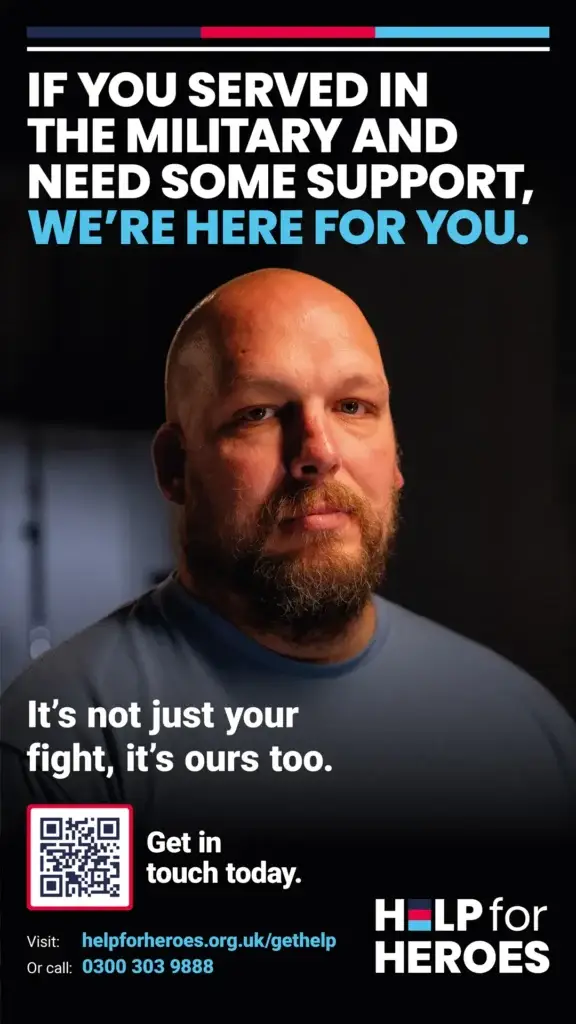
He recalls IDS Media’s work with Help for Heroes, where the objective was to raise national awareness, as well as reaching veterans living in areas where support was most needed.
“We focused the campaign in locations with higher veteran populations,” Dean explains. “The messaging let people know that GP practices were offering veteran services and that Help for Heroes could provide additional support if they needed it.”
The campaign generated strong feedback because it reached the right audience, in the right place, with information that genuinely mattered to them.
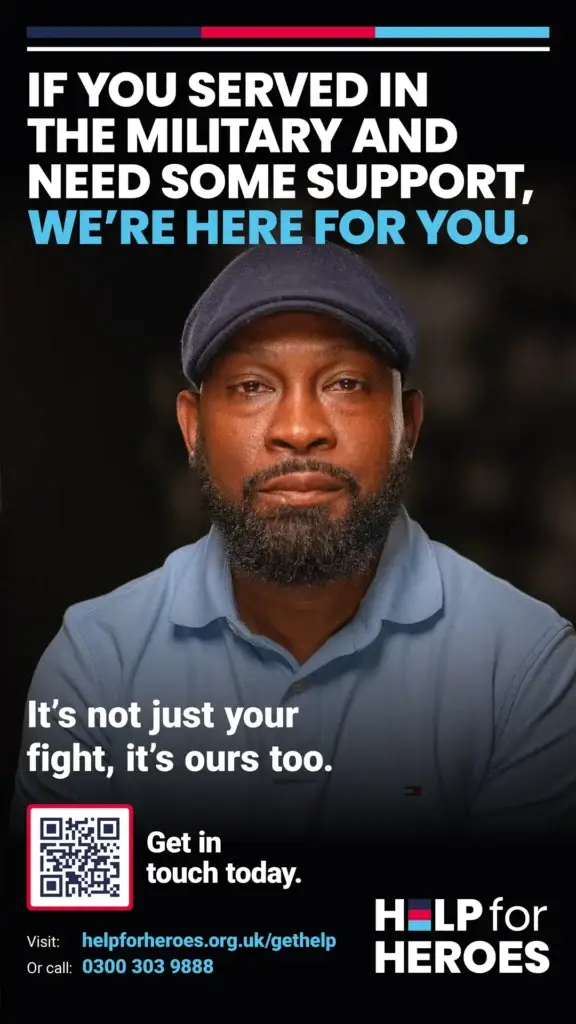
It’s another example of a principle that has shaped Dean’s approach throughout his career.
Healthcare communication shouldn’t begin with media channels.
It should begin with people.
Once organisations understand who they’re trying to help, where those people are and what they need at that stage of their journey, the choice of healthcare environment becomes much clearer.
That’s when media planning stops being about visibility and starts becoming part of the patient experience itself.
Patients have changed – and healthcare communication has had to change with them
Looking back over more than 35 years in healthcare media, Dean believes one of the biggest changes hasn’t been technology or advertising formats.
It’s been the patient.
Today’s patients are more informed, more curious and more involved in their own healthcare than ever before. If they notice a symptom, many will search online, ask AI tools, visit patient forums or read social media before they’ve even spoken to a healthcare professional.
That curiosity has created huge opportunities for patients to learn more about their health.
It’s also created new challenges.
“People want to understand what’s happening to them,” Dean explains. “If they experience a symptom, the first thing many people do is search for answers. The problem is they’re often presented with hundreds of different opinions, and it can be difficult to know what information to trust.”
Healthcare communication therefore has an increasingly important role to play.
Patients don’t just want to know what a product or service is.
They want to understand why they should use it, how it works, the evidence behind it and whether it’s relevant to their own circumstances.
“If you’re asking someone to put something into their body, they want to understand why,” says Dean. “They want enough information to feel confident in the decision they’re making.”
For Dean, that’s one of the biggest differences between healthcare communication and traditional advertising.
The objective is to educate, reassure and build confidence before asking people to make a decision.
One of the last trusted environments
As healthcare information has become easier to access, Dean believes trust has become harder to earn.
Health advice now appears almost everywhere. Search engines, AI tools, influencers, podcasts and social media all compete for people’s attention.
Yet despite all that change, GP surgeries, hospitals and pharmacies have remained remarkably consistent.
“Healthcare has become blurred with lifestyle,” Dean says. “People are being inundated with health information from so many different places. But GP surgeries, hospitals and pharmacies have remained trusted community environments for decades. I genuinely believe they’re some of the last trusted environments we have.”
For organisations planning healthcare campaigns, that trust is incredibly valuable.
Patients don’t visit these environments to browse advertising.
They visit because they need advice, reassurance or treatment.
That mindset changes how information is received.
It also raises the standard expected of every campaign displayed within those environments.
Healthcare professionals will see it. Patients may question it. Families may discuss it. Every claim has to stand up to scrutiny.
Healthcare never stands still
Healthcare is constantly evolving.
New treatments emerge. Technology changes. Patient expectations continue to develop. Communication has to evolve alongside them.
Dean points to diabetes care as one of the clearest examples.
Not long ago, blood glucose monitoring meant repeated finger-prick tests and constant disruption to everyday life.
Today, wearable sensors can monitor glucose levels continuously, sending real-time information directly to smartphones and allowing parents and carers to monitor loved ones remotely.
“That’s completely changed people’s lives,” Dean says. “But every new technology also needs explaining. People need to understand how it works, why it matters and what difference it can make before they’ll feel confident adopting it.”
He believes we’ll see similar advances across many areas of healthcare in the years ahead, from cardiovascular monitoring to earlier detection of serious conditions.
Innovation alone, however, isn’t enough.
Patients also need trusted communication that helps them understand those innovations and the value they bring.
Choosing the right environment starts with choosing the patient
For Dean, successful healthcare campaigns don’t begin with media channels, advertising formats or available budgets.
They begin with a much simpler question.
How can we add genuine value to patients?
Everything else follows from there.
Understanding the patient journey. Choosing the right healthcare environment. Creating communication that educates before it persuades. Providing clear next steps. Building trust over time.
Those principles have shaped Dean’s approach throughout his career, and they continue to guide the advice IDS Media gives healthcare organisations today.
“The environment is important,” Dean says. “But it’s only ever the starting point. The real objective is helping patients understand something that genuinely improves their health or wellbeing. Once you focus on that, the right healthcare environment usually becomes obvious.”
Because ultimately, the best healthcare campaigns aren’t remembered for where they appeared.
They’re remembered because they reached the right people, at the right moment, with information that made a genuine difference.
Planning a healthcare campaign? Get in touch to see how IDS Media can help you reach the right people with creative that informs, engages and inspires action.