Six key takeaways for more effective public health campaigns
- The environment where people receive healthcare information influences how much they trust it and whether they act on it.
- Trusted healthcare settings help cut through misinformation by presenting patients with accurate, evidence-based information when health is already front of mind.
- The most effective public health campaigns are built around the patient journey, delivering the right message in the right place at the right time.
- Healthcare professionals can strengthen campaigns by providing valuable feedback, helping organisations refine messaging so it better meets patients’ needs.
- Relevant, well-targeted communication creates greater impact than simply reaching the largest possible audience.
- As patients increasingly fact-check health information, trust must be earned through accurate messaging, appropriate placement and genuine value.
Why trusted environments matter for public health communication
The success of a public health campaign can depend as much on where people encounter the message as what the message says.
A clear headline, compelling creative and strong call to action are all important. But healthcare communication reaches people differently when it appears in an environment they already associate with professional advice, credible information and clinical expertise.
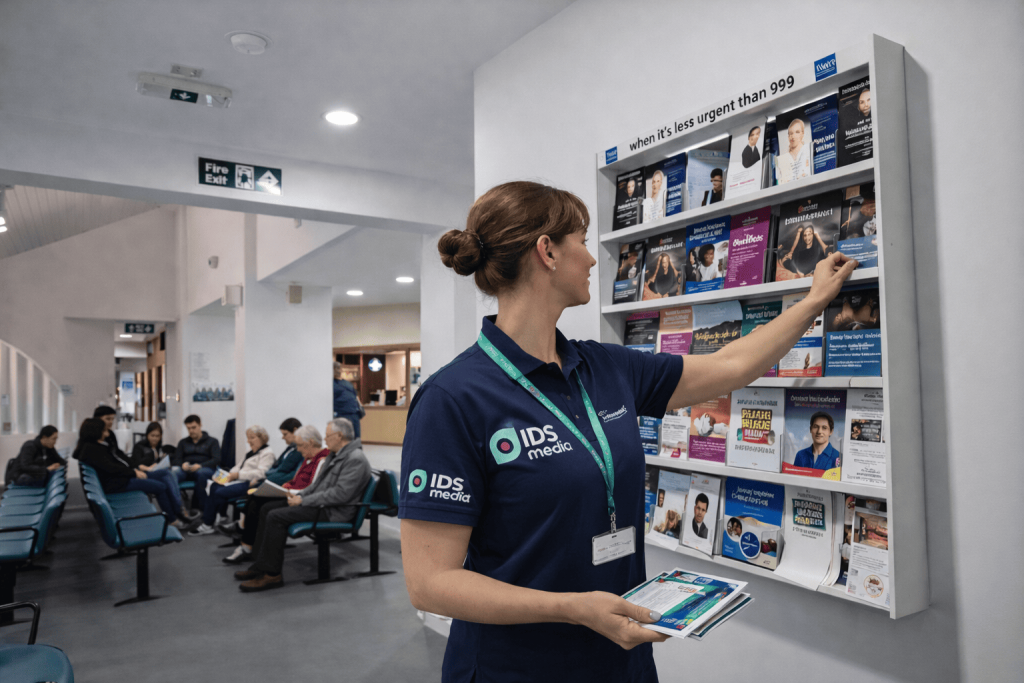
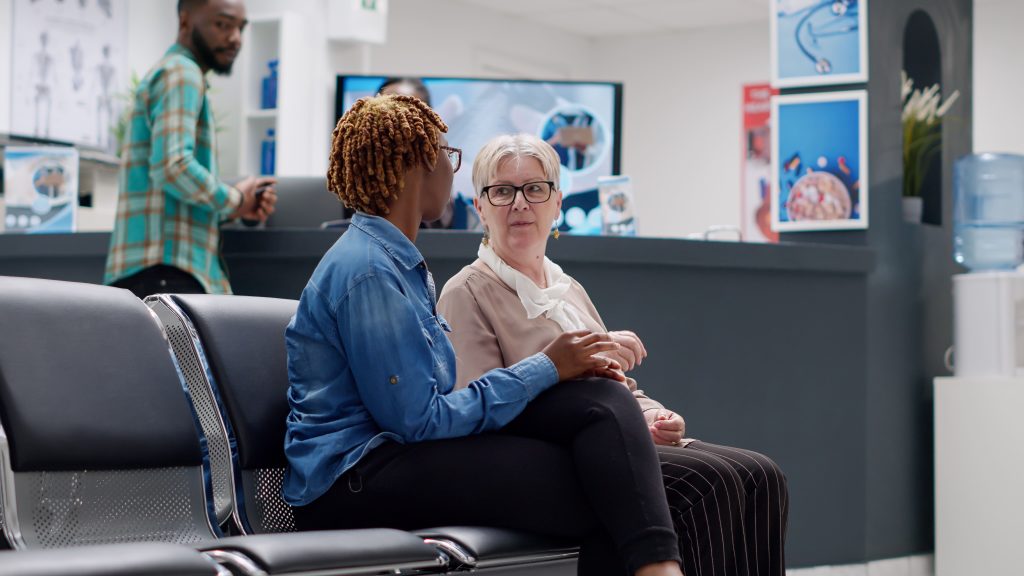
GP surgeries, hospitals and pharmacies place people in a healthcare mindset. They may be waiting for an appointment, managing a condition, collecting medication or supporting someone they care about. Health is already front of mind.
That context can influence whether a message is noticed, believed, remembered and acted upon.
For Dean Gahagan, Joint Managing Director at IDS Media, this is what defines a trusted healthcare environment.
“GP surgeries, hospitals and pharmacies are community hubs where people seek trusted medical advice. The messages appearing within them are carefully vetted to make sure they are accurate, relevant and aligned with the standards patients should expect.”
As misinformation becomes easier to publish and harder to avoid, those environments have a growing role to play in public health communication.
Trust begins with the environment
People now encounter health advice almost everywhere.
Social media feeds, search results, online communities, influencers and advertising all offer opinions on symptoms, treatments, diets and wellbeing. Some of that information comes from respected experts and charities. Some comes from people with limited knowledge or commercial motivations.
For patients trying to understand a symptom or make a health decision, separating reliable guidance from speculation can be difficult.
Trusted healthcare environments help to filter that noise.
“Healthcare messaging has become very convoluted,” Dean explains. “Everyone can have an opinion on a health topic. Trusted healthcare environments help cut through that noise by putting patients in front of information from healthcare professionals, researchers and specialist organisations they can trust.”
The setting also affects someone’s receptiveness.
A person passing a roadside advertisement may be thinking about work, traffic or where they need to be next. Someone sitting in a GP waiting room is already focused on their health.
“When you’re inside a GP surgery, hospital or pharmacy seeking healthcare advice, you’re in the right mindset. If you see information that supports what you’re already thinking about, you’re more likely to absorb it and take action.”
That combination of credibility and context gives public health campaigns an opportunity to reach people when the information feels personally relevant.
Extending support beyond the appointment
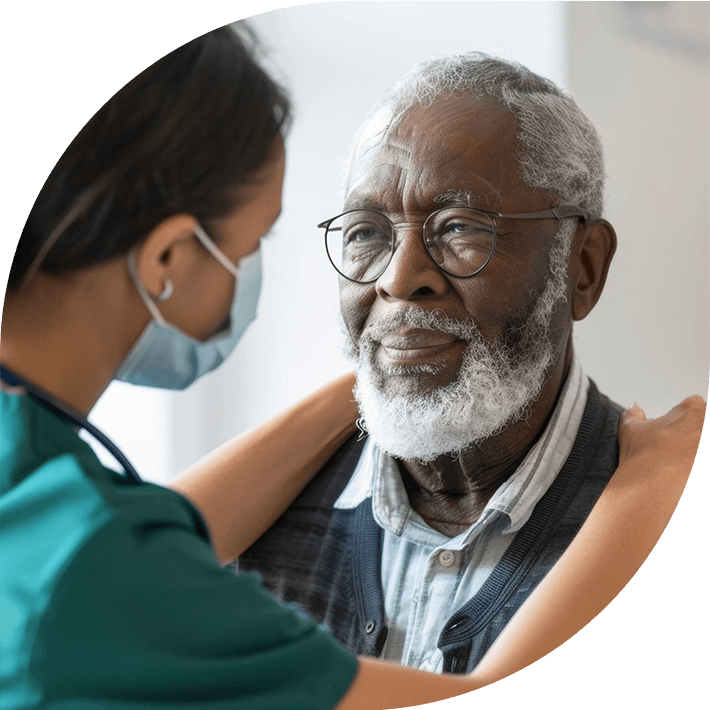
Healthcare professionals have limited time with each patient. Even a valuable appointment may not provide enough time to explore every question, explain every symptom or introduce all the support available.
Communication within the wider healthcare environment can extend that conversation.
Charities including Macmillan Cancer Support, the Migraine Trust, Parkinson’s UK, Alzheimer’s Society and Dementia UK provide specialist guidance that patients may need before, during or after an appointment.
A healthcare professional can also direct someone towards those resources when further support would help.
“These organisations become part of the patient’s support system,” says Dean. “You have the GP, the hospital, healthcare professionals, charities and information within the environment, all helping someone understand their condition and what they can do next.”
This can support the NHS focus on helping patients understand symptoms, manage long-term conditions and make informed decisions about their health.
“It also recognises that the audience extends beyond the individual patient,” says Dean. “Family members, friends and carers often need the same information so they can recognise symptoms, offer support or help someone access appropriate care.”
Trusted environments demand better communication
Appearing within a healthcare setting can provide an implied endorsement, but trust is never automatic. The message still has to earn its place.
Healthcare professionals see the campaigns displayed around them every day. They understand their patients and can quickly identify language, imagery or claims that may feel inappropriate for the setting.
Dean saw this first-hand earlier in his career while working on a campaign for a leading baby care brand.
The original creative followed a conventional commercial approach, focusing on the product and encouraging parents to purchase its premium nappy range. Feedback from midwives highlighted an unintended consequence.
“The midwives told us the campaign risked making some parents feel they couldn’t afford the best product for their baby,” Dean recalls. “That was never the intention, but it showed us the message wasn’t right for that environment.”
The campaign team and the brand changed the emphasis.
The revised campaign focused on the brand’s premature nappy range, which is provided free of charge to parents of premature babies through NHS neonatal units and selected retail partnerships.
“The new approach was much better aligned with the environment. It showed how the brand was supporting parents, babies and NHS services rather than leading with a sales message.
“That still builds recognition and confidence in the brand, but it does so by providing something genuinely useful and relevant to the patient.”
It was a reminder that trusted healthcare environments don’t just shape how messages are received – they can also help brands create better, more appropriate communication.
Relevance matters more than blanket reach
Many public health campaigns begin with a desire to reach as many people as possible.
Reach has value, but relevance matters more.
IDS Media has seen this approach work across campaigns for organisations including the British Heart Foundation, Macmillan Cancer Support and Alzheimer’s Society. While each organisation has different objectives, they all share the same challenge: reaching people when information is most relevant to their situation.
British Heart Foundation messaging can be placed near patients affected by cardiovascular conditions. Macmillan Cancer Support campaigns become particularly relevant within oncology settings. Alzheimer’s Society information often needs to reach family members and carers, as well as the person living with dementia.
“We always start by understanding the patient journey,” says Dean. “Once you know where someone is in that journey, you can identify the environment where the message will have the greatest value.”
This thinking applies to both public health awareness campaigns and organisations offering healthcare-related services.
Turning national awareness into local engagement
Anchor, one of England’s largest not-for-profit providers of housing and care for older people, provides a strong example of how a trusted healthcare environment can connect a national organisation with a local need.
Choosing a care home is a significant and often emotional family decision. People may need to consider location, available support, specialist dementia care, the quality of the environment and whether the home feels right for the person they love.
A broad national campaign may build awareness of the organisation, but families also need to know what support is available close to them.
IDS works with Anchor to focus campaigns around individual care homes and the communities they serve. When a particular home needs greater visibility, IDS can create a bespoke package using relevant GP surgeries and hospitals in the surrounding area.
“Anchor may come to us with a particular home in Essex or Yorkshire that needs greater visibility,” Dean explains. “We can identify the healthcare environments around that location and build a local campaign. It turns national awareness into local engagement.”
This creates a clear connection between the message and the action a family can take.
It also demonstrates the strategic role of healthcare media planning. The decision is shaped by audience needs, local availability and the seriousness of the patient or family journey, not just the number of sites available.
The wrong setting can weaken a relevant product
A product can be credible and useful while still being communicated poorly.
Dean recalls seeing advertising for a pregnancy supplement placed across low-cost, mass-market outdoor inventory. The creative relied on familiar lifestyle imagery and broad claims, but offered little meaningful education.
“Pregnancy is a very serious and sensitive stage in someone’s life,” he says. “People want to know why they need a supplement, what the nutrients support and how it relates to the advice they’ve received. A generic image and a product claim don’t necessarily answer those questions.”
The opportunity wasn’t the product. It was the way it was being communicated.
Within an appropriate healthcare setting, the campaign could have explained the role of the product clearly and responsibly, reaching people when pregnancy health was already relevant to them.
The lesson applies across healthcare communication: the cheapest available placement may deliver impressions, but it may not create understanding, credibility or confidence.
Helping brands communicate what they genuinely offer
The environment can also influence how a brand is perceived over time.
Dean recalls a conversation with the marketing team behind a well-known vitamin supplement brand. Despite the product offering genuine nutritional benefits, many people primarily associated it with being a hangover cure.
“I said there was an opportunity to use a trusted healthcare environment to explain what the product actually does,” Dean recalls. “People working night shifts, struggling with fatigue or looking at their nutritional intake may see genuine value in it. The brand needs space to educate people rather than reinforcing a lifestyle perception.”
Trusted healthcare environments can give brands that opportunity. They allow for clearer education around ingredients, intended use and patient relevance, helping to correct a perception that other advertising may have created.
Public health campaigns have a ripple effect
The impact of trusted information can also extend far beyond the person who first sees it.
IDS has supported the Lyme Resource Centre in raising awareness of Lyme disease and the symptoms people may overlook or attribute to another cause.
Someone reading the information may recognise their own symptoms. A parent may notice similarities in their child. A friend or relative may remember the guidance during a later conversation.
“That information can help the whole family and potentially the wider community,” says Dean. “The person who sees it may not be the person who eventually benefits from it.”
IDS Media saw the same principle through its work with the British Heart Foundation to promote CPR awareness. While one person may see the campaign in a healthcare environment, the impact can extend much further. Someone who learns CPR today could one day use those skills to help a colleague, family member or complete stranger.
This ripple effect is one reason campaign value cannot always be reduced to an immediate click, scan or enquiry. Effective public health campaigns can increase awareness, prompt conversations and influence decisions long after the initial contact.
There is nowhere to hide anymore
Dean believes the expectations placed on public health campaigns have changed significantly during his career.
Patients now have immediate access to search engines, AI tools, reviews, social media and specialist resources. They can check a claim within seconds and compare it with information from multiple sources.
“There’s nowhere to hide anymore,” he says.
“People don’t see an advert and blindly follow it. They can take out their phone, research the claim and decide whether they believe it.”
This has made patients more curious and more challenging towards advertising.
For healthcare organisations, that scrutiny should be treated as a reason to communicate more clearly. Claims need to be accurate. Information needs to be verifiable. The creative must respect the seriousness of the subject and the circumstances of the audience.
A healthcare environment may provide valuable credibility, but it also raises the standard expected of every campaign displayed within it.
Healthcare professionals will see the message. Patients may question it. Anyone can research it.
Making trust part of the strategy
The strongest public health campaigns consider trust from the beginning.
They identify the audience, understand where that audience is within the patient journey and define the action or outcome the communication should support. They then choose an environment and creative approach that reflect those needs.
“My first advice is always to understand the organisation,” says Dean. “What are its objectives? Who does it need to reach? What does it want people to do? Once we understand that, we can recommend the right healthcare environments and create something relevant to the patient.”
This is where IDS Media’s experience adds value.
The team understands the practical differences between healthcare settings, the scrutiny applied to messages and the importance of listening to healthcare professionals. It can help organisations identify where communication will be most relevant and how the creative needs to change for that environment.
As Dean puts it: “People don’t need more healthcare messages. They need the right information, in the right place, at the right time.”
Planning a public health campaign? Get in touch to see how IDS Media can help you reach the right people with creative that informs, engages and inspires action.